Gold & Bronze Age Lunulae

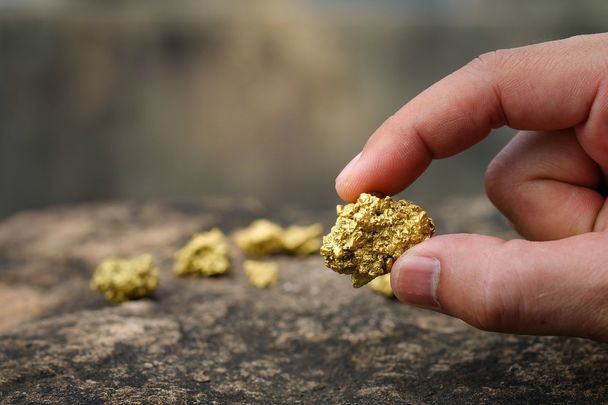
Gold nugget from an Irish river. Photo from Irish Central.

Remember in the 2011 movie “Cowboys and Aliens” how Daniel Craig and Harrison Ford fight back against an alien invasion that came to the Wild West purely for all the gold that could be used in their technological endeavors? Honestly, me either (it’s been a long time since I’ve watch that gem of a movie). What I do remember about the movie is the gold, which I thought was a silly reason for space aliens to come to earth. This very may well have been the first time I heard that gold could be used for electronic technologies. Apparently, small amounts of gold are used in mostly all electronics today because it is useful in conducting electricity. My point, however, isn’t to talk about electronics, but that gold is coveted (to the point of alien invasions).

The best movie ever? I don’t remember. Photo from HBO Asia.

Although gold is a particularly useful metal in the modern age, it is also particularly beautiful and is most often used for (as you may have guessed) jewelry. It is coveted for its beauty and rareness, and as it is even softer than silver, it makes for an easily malleable material for jewelry and body ornaments. In fact, it is so soft that it can be pressure molded (like clay). Due to its softness, it often has to be mixed with other metals for jewelry (higher karat gold is purer, but the sweet spot is 14k). As gold has been representative of fortune, wealth, and status arguably since the very beginning of goldsmithing, it has fixed itself a permanent place in many cultures symbolically through folktales, poetry, and pop culture. Its symbolism is so pervasive that objects which are not actually gold are meant to mimic gold (see: gold-leaf chicken wings).

Here is a video showing gold being engraved. Look how soft it is!

The way that gold is worked is very similar to silver, and requires the same general toolkit. For the sake of bypassing redundancy, I am going to forego describing goldsmithing in general, and instead use the example of Bronze Age lunulae. Lunulae are flattened gold necklaces in a crescent shape that have been found in Western Europe, with 80 of the some 100 lunulae having been found in Ireland. (National Museum of Ireland) They actually are the most prominent of gold objects found in early Bronze Age Ireland. Despite their crescent-like shape and the name itself, lunulae have been linked to sun worship as opposed to the moon and have often been incised by some sort of tool to create geometric shapes or linework.
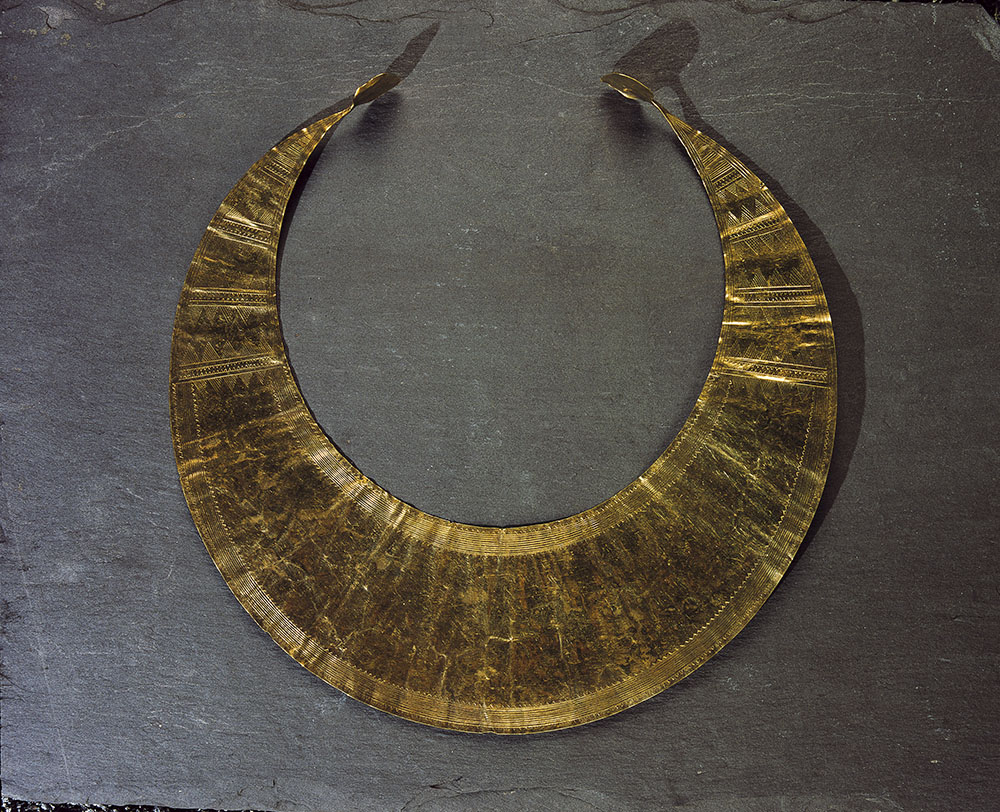
“Gold Lunula, Rossmore Park, Co. Monaghan. Early Bronze Age, c. 2000 bc. This exceptionally fine lunula is said to have been found at Rossmore Park, Drumbanagher, Co. Monaghan, but no details of its discovery have been recorded.” From National Museum of Ireland.

They have been hammered to be so thin that they can be folded or crumpled. According to Mary Cahill, many lunulae Ireland actually have been found in this way, which brings further questions about their life histories. What was the reasoning for this? Was it intentional? Upon disposal? For concealment? Furthermore, some have been found that have traces of folding and fracture, but have been repaired or smoothed out, so it seems they were being reused. While we can presume that these were meant to be worn around the neck because of their size and shape, in what context were they used? How important was craft specialization for their usage? One might assume if they were spiritual in some way (having been linked to sun worship) that this might require a specific person to create them.
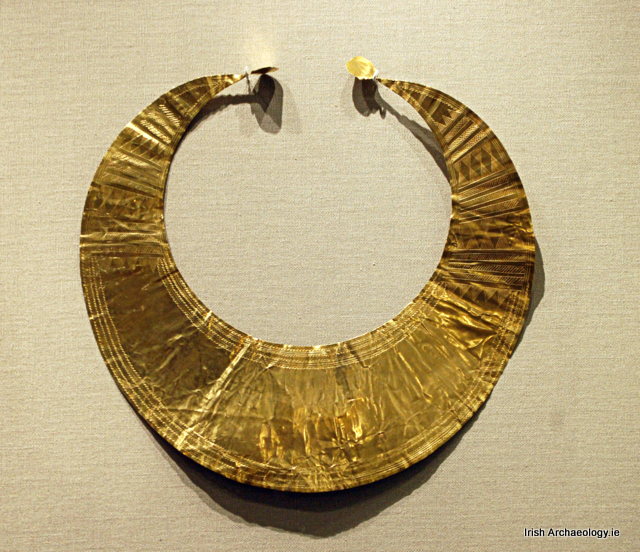
The evidence of folding in this lunula is prominent. Photo from Irish Archaeology.

*There are many provenance studies regarding Irish gold in prehistory, as it was so prominent. See “Irish Prehistoric Gold Objects: New Light on the Source of the Metal” by Joseph Raftery.

Traditional Tibetan Silversmithing

Silver is an important material in Tibetan jewelry, as it is considered to be protective. Along with silver, their jewelry often includes other materials, such as coral, turquoise, and yak bones, all of which have sacred or protective properties. (For a brief overview of symbolism in Tibetan jewelry, here is blog article that may be interesting). While many of the design choices in Tibetan jewelry are related to Buddhism and spirituality, the aesthetics of the jewelry is important to the culture. According to China Tibet Online, Tibetan woman Man Ta says,

Portrait of Tibetan woman by Wolfgang Kaehler.

“We are very proud of our culture. We think that our clothing and jewelry are the best, the most beautiful. So we wear this in order to tell people, ’I am a Tibetan’, that we are proud of our culture.”

In an article on Tibetan silversmithing, Chandra Reedy outlines the technological tradition and how it has changed to suit contemporary needs and constraints. Traditional Tibetan silversmithing has been threatened in recent years because of competition with Chinese manufacture, as well as the Cultural Revolution which “forced [craftsmen] to stop working and take up other jobs”. There also have been new laws which state that silversmiths must buy silver from the government whereas it was traditionally bought directly from miners in Tibetan regions, or through trade with China and India. Despite these setbacks, the craft still exists in small-scale family-run workshops with the father passing on his knowledge to his son.

Tibetan silversmithing.
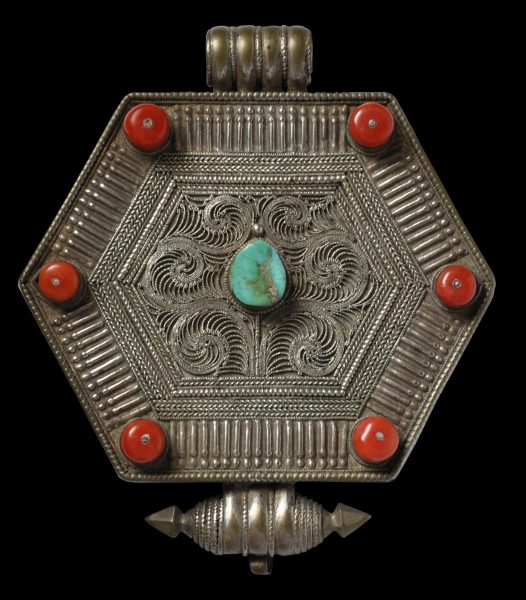
Tibetan ornamental Gau box with filigree design and coral and turquoise inlays. Photo from Michael Backman Ltd.

Reedy’s article follows a silversmith, Trang-than-long, in Sichuan Province, China who had been trained in this way, and maintains his silver workshop with the assistance of his wife, as silversmithing requires many hands (as we have been made aware). Trang-than-long solely creates commissioned pieces for a primarily Tibetan consumer which are either based on samples he has in store, or described to him by his patron. I have outlined the steps he takes in order to complete a commissioned bracelet by summarizing what has been relayed in Reedy’s article. I highly suggest taking a look at the article for a nuanced description of these processes, as well as to see the photos, which are integral to understanding what is happening in these processes.

  1. Design: Meets with patron and discusses the product to be made.
  2. Materials: Estimates how much silver will be needed for the project; weighs it out. Decides what other materials will be involved in the final product (turquoise, coral, etc.).
  3. Price: Agrees on a price based on the weight of silver, additional materials, and the intensity of labor involved.
  4. Resource acquisition: The silversmith does not smelt his own materials, but buys them in ingots, which he obtains through the government if not already bought in advance.
  5. Work the silver ingot:
    1. Flattens, stretches, and reduces thickness through hammering
    2. Uses hand roll mill to flatten completely—a nontraditional method
    3. Shapes piece by hammering on an iron anvil while annealing with torch
    4. Measures piece
  6. Make silver wire (for filigree design):
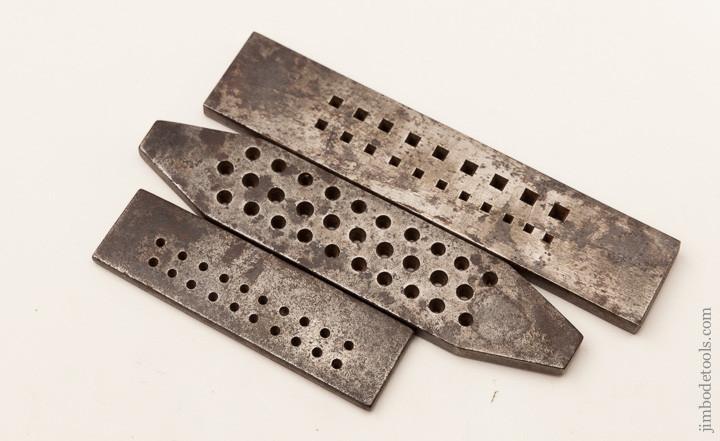
    1. Uses thin hammered pieces of ingot to begin drawing through a draw plate
    2. Stands on stool, holding drawplate with foot while pulling with tongs
    3. Rolls two strands of wire together on the floor while pounding with block of wood
    4. Heats strands to fuse them together
    5. Uses tweezers to shape into filigree design
    6. Solders onto flattened silver base with silver powder flux
  7. Granulation (for decorative spheres):
    1. Cuts small clippings of silver, or snips off bits of twisted wire to make circlets
    2. Uses torch to heat silver on refractory brick while assistant operates foot bellows—traditionally he used a charcoal furnace
    3. Stacks silver spheres (created from torching) together to form a clump
    4. Torches the clump to fuse together
    5. Places spheres on bracelet using tweezers
    6. Fuses with base by soldering with torch and silver powder flux
  8. Assembling and finishing:
    1. Cuts main panel to size with silver snips
    2. Shapes it by using wooden forms and mallets
    3. Files the piece to smoothen
    4. Places decorative panel on silver band, which is held in place by wires
    5. Adds moistened silver powder between pieces using tweezers
    6. Assistant operates foot bellows and torches for him as he manipulates jewelry
    7. Removes wire holders after soldering complete
    8. Places in pickle solution and cleaned with brush to clean fire scale
    9. Dries, reheats, and washes again several times thereafter
Example of draw plates. Photo from Jim Bode Tools.
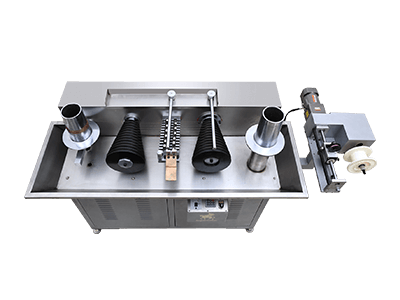
For comparison, there is also technology to create silver wire is through a wire drawing machine. Photo from SuperbMelt.

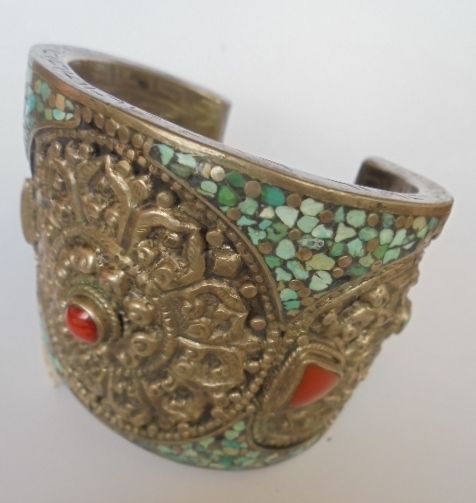
Silver bracelet with coral and turquoise inlays. From Catawiki.

This list of steps Trang-than-long takes in order to create a bracelet is also of little help in truly describing his chaine operatoire. It does, however, exemplify the continuity of a silversmithing process which has been passed down to him through his father and the ways he decides to adjust these traditional practices. Overall, it outlines the steps one would take in a silversmithing workshop, broadly. According to Reedy, “the workshop processes are consistent with those of traditional silversmithing and jewelry making in other parts of the world”. While this may be true of the processes on a surface level, she does not take into consideration his inner thought process when executing these processes—the order in which he does things, the way he holds the materials and tools, how he goes about deciding which designs to undertake, and even the choice to employ the help of his wife as an assistant where usually there would be a male apprentice. What does this say about Trang-than-long, his jewelry, and the context of his jewelry? How do his methods differ from others?

References:

Reedy, Chandra L. “Technological Tradition and Change in Tibetan Silversmithing Techniques in Songpan, Sichuan Province, China.” MRS Proceedings, vol. 1319, 2011, pp. mrsf10–1319-ww09–09., doi:10.1557/opl.2011.742.

Metalworking Tools & Silver

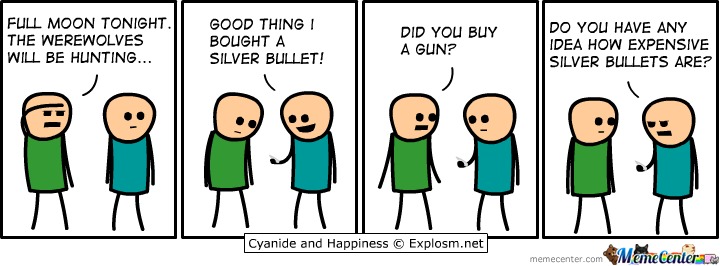
In order to give an overview of metalworking, I’d like to zone in on one particular material: silver. This precious metal has taken many forms with various uses throughout history and into the present, some of which include currency, mirrors, tableware, decorative vessels, electronics, medicine, and of course, bullets to kill werewolves.

Obtained from MemeCenter

Because silver is a softer, more malleable metal, it is a perfect medium for jewelry. It is also shiny, eye-catching, and rare, which makes it a coveted material for body adornments. As jewelry, it comes in as many forms as jewelry takes—necklaces, bracelets, bangles, rings, earrings, amulets, and the list goes on. Each form it takes, as well as the sociocultural context in which it is made, requires different techniques to fashion it into a final product.

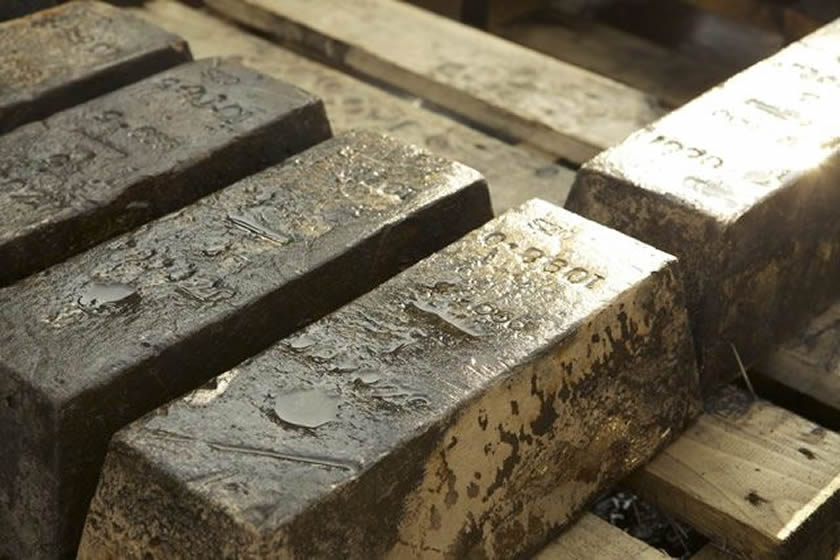
Silver ingots. Photo from Monaco Rare Coins.

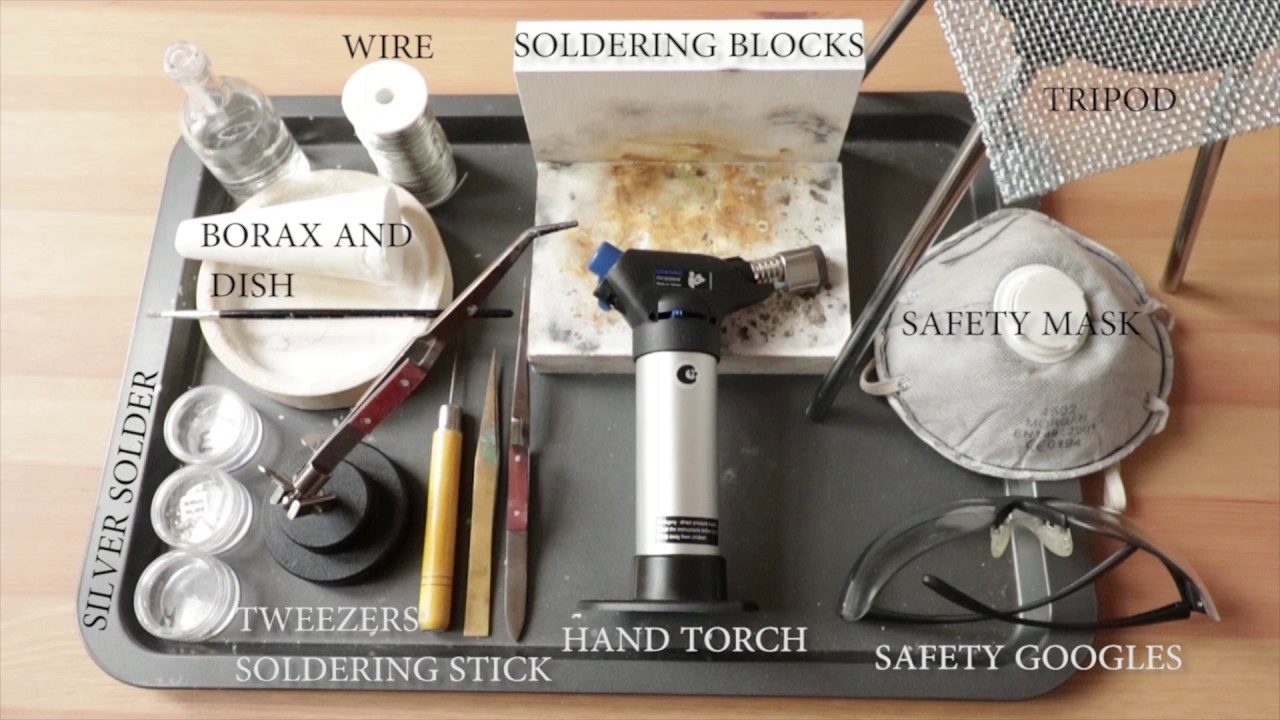
Like many crafts, silversmithing requires many tools* made with various mediums employing many technologies. In the blog Maker Monologues, metalsmith and jeweler Brittany Witt creates an extensive list of materials and tools needed to craft a simple silver ring using “basic” silversmithing techniques.

The tools needed include:

  • Torch
  • Soldering pick
  • Soldering board
  • Ring mandrel
  • Rawhide mallet
  • Metal file
  • Copper tongs (she notes that copper or plastic is needed to grab jewelry out of pickle solution, as other metals can cause the fire scale, or the oxides created by heat, to be “electroplated” onto the silver in this step)
  • Crockpot (for pickle solution)
  • Pickle (a natural or chemical based solution to clean off fire scale)
  • Flush cutters
Silversmithing tools (not from Maker Monologues). From Stardust Mine Jewelry‘s YouTube channel.*

She lists the materials needed as:

  • Flux
  • Solder (she mentions the hardness of solder being easy, medium, or hard, and that it comes in several forms, which should be chosen upon preference: wire, sheets, chips, and paste)
  • Silver wire
  • Polishing
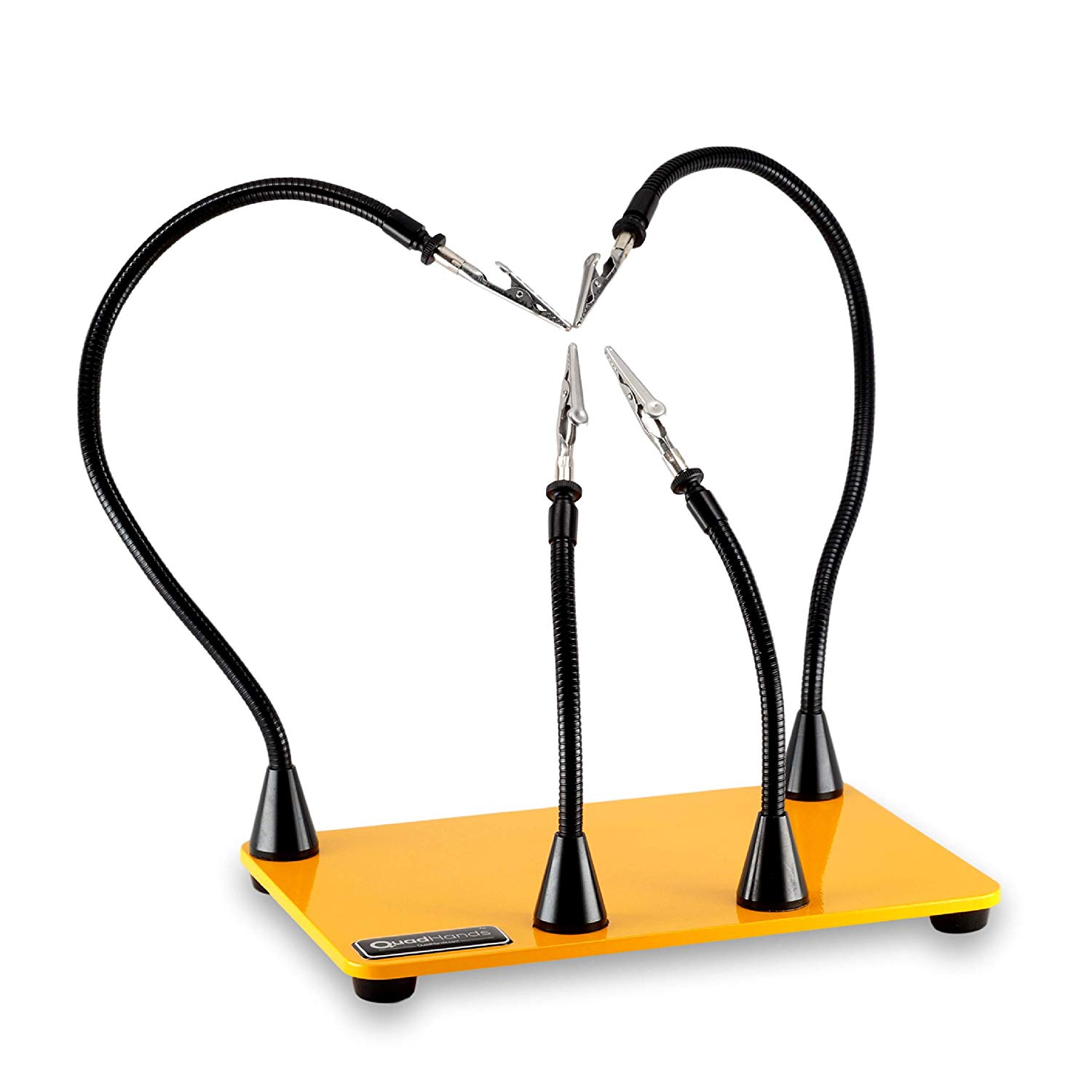
  • Third hands (a tool used to hold the silver while the silversmith is soldering)
  • Mask
This doesn’t look complicated at all. Photo of “third hands” from Amazon.

A list of tools and materials isn’t much help when it comes down to actually creating jewelry. It does, however, emphasize how much this craft relies on other tools and technologies. (Speaking of other technologies, can we talk about this “third hands” contraption? It replaces the need for another person for a traditionally workshop-based craft! What can this tell us about this specific metalsmith?) It also brings attention to all of the choices that a silversmith needs to make depending on their own preference, as well as deciphering what is best for what they are making.

I actually quite like Witt’s list, because all of her asides exemplify the choice-making that goes into what she deems “basic silversmithing”. For example, when choosing silver wire, she suggests a hardness, explaining that one should get “dead soft as opposed to half hard or spring hard because it’s easier to work with”. The way she explains this leads me to believe that any of these are viable options, but she chooses the softest one, because it is easier to work. It also makes me to wonder whether someone else might have another opinion on this, or if in other contexts, a different silversmith would choose another option. Her preference ultimately is based on her own savoir-faire and connaisance which would presumably differ from other silversmiths depending on where they are from, how they learned the craft, who they learned from, and what sort of resources were at their disposal.

*For a video explaining silversmithing tools, see Stardust Mine Jewelry’s YouTube post.

Origins of Jewelry Making

I love jewelry. I love how diverse it is, how customizable it is to one’s personality, and of course, that it’s made to be beautiful—a craft based on aesthetic as much as it is on function. What is most interesting to me about jewelry is that it is often symbolic: it is valuable because it is a tangible marker for something else that is valuable. The value I place on my own collection of jewelry is derived from sentiment—the pieces that were given to me are also the most valuable, because they are a symbol of solidarity and affection between me and someone else. What a pretty way to convey this!


Smeagol loves jewelry too. GIF from Tenor.

The fact that jewelry has been made for thousands (and possibly hundreds of thousands) of years tells me I am not alone in my appreciation (although presumably my experience with jewelry is rather different). (Pre)historically speaking, the craft, function, and meaning behind jewelry are all quite diverse across cultures and through time. An early use is often cited as being a signifier of social status, reserved solely for those in the upper ranks of society. Others include simple function (e.g. a brooch to clasp together fabric) and talismanic ornaments for protection against ill-will or evil spirits (most commonly associated with ancient Egypt).* 


Eye of Horus amulet. Photo from John Hopkins Archaeological Museum.

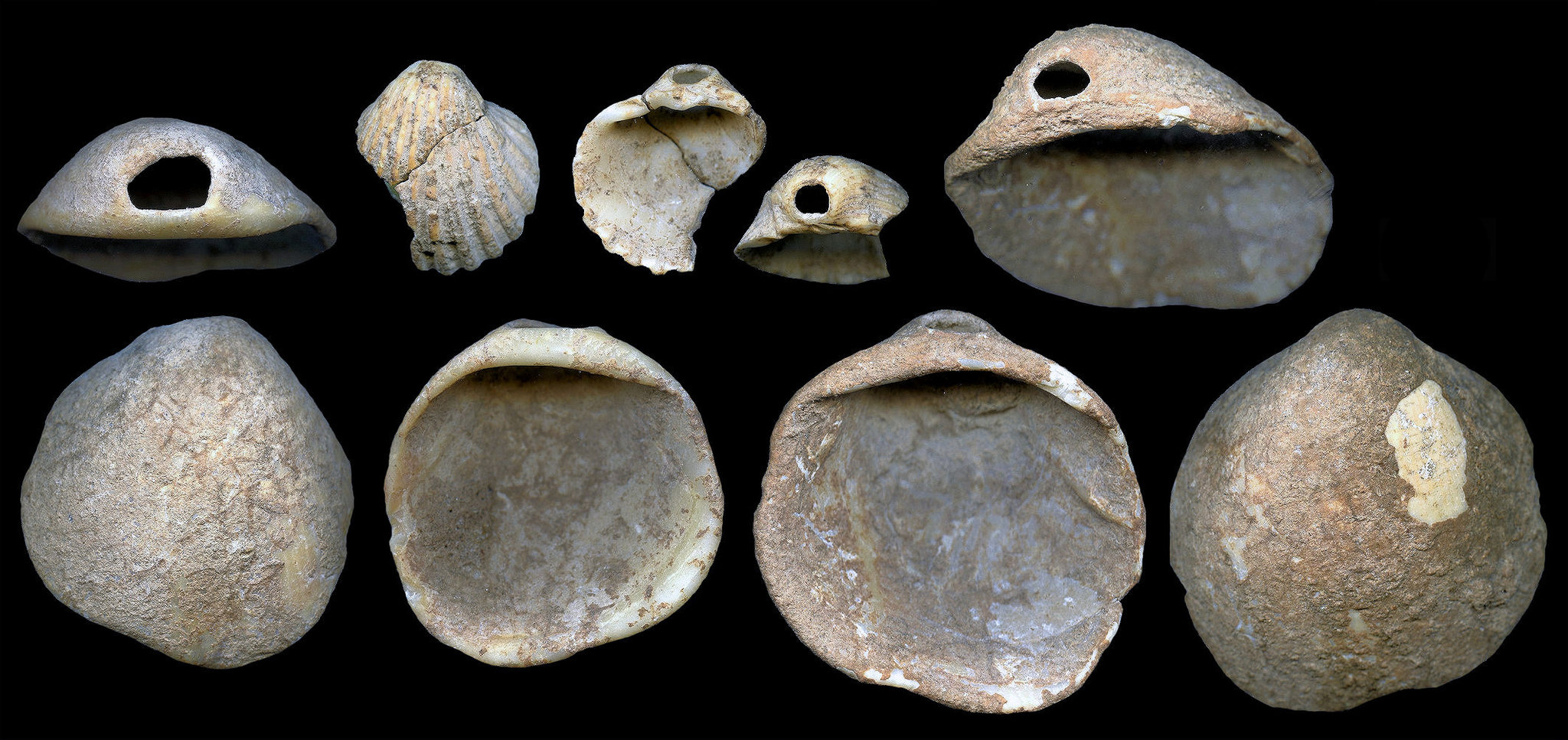
While jewelry-making can be traced far back to our early Homo sapiens ancestors, it has been speculated to have also been practiced by our hominin relatives. Some of the early pieces of what we have deemed to be jewelry has come from Neanderthals, commonly made of bone and shell. Notably, perforated shells strongly linked to Neanderthal occupation have been found at Cueva de los Aviones in Spain, which according to Dr. João Zilhão is “widely accepted as evidence for body ornamentation, implying behavioral modernity” (Zilhão et al., 2010). 

This has sparked debates on Neanderthal capabilities both cognitively and physically. On a cognitive level, it is likely that Neanderthals had a more nuanced understanding of symbolism than previously thought (although it is equally posited by scientists that they only copied Homo sapiens. See this article for a very general overview on this). As I mentioned before, jewelry is often a symbolic craft, acting as a tangible marker for an intangible value. This brings us to ask what sort of value Neanderthals placed on their own jewelry(making). On a physical level, while Neanderthals have been regarded as being more capable of “brute force”, studies have shown that they are actually more dexterous than this crude stereotype would have us believe. Of course, dexterity and precision are needed for the crafting of jewelry, body ornaments, and the like. This illustrates the important aspect of jewelry—that it is made by someone, somewhere, with some sort of specialization. We mustn’t forget that jewelry is not just a finished product, but a time-consuming process that calls for particular skill, which apparently Neanderthals had.


Three perforated shells from Cueva de los Aviones. Photo from PNAS.

All this talk about Neanderthal jewelry has gotten me to wondering what jewelry is after all. So far as I’ve described in this blog, jewelry is a vague concept, so I’ve attempted to establish some sort of definition. Merriam-Webster defines jewelry as: 

ornamental pieces (such as rings, necklaces, earrings, and bracelets) that are made of materials which may or may not be precious (such as gold, silver, glass, and plastic), are often set with genuine or imitation gems, and are worn for personal adornment.

According to the Free Dictionary, jewelry is defined as:

objects of personal adornment, as necklaces, rings, bracelets, or brooches, esp. when made of precious metals, gemstones, or pearls and distinguished by very fine design and craft.

Drawing from both definitions, jewelry can be defined as personal (bodily) ornaments made of various materials and marked by fine design and craft.

I appreciate this final definition because it is inclusive of the many tangible, physical, and cognitive resources that go into jewelry making that are often overlooked today. For example, in a gemology episode on the Ologies podcast, gemologist Kelly Schick conveys her awe at the concerted effort that goes into creating and selling a final product: 

Diamond dealers, gem dealers—it connects to mining in […] Africa and Asia and all these different places. And you learn […] that so many people are involved in the process of getting a stone from the earth, taking it from the earth to […] a piece of jewelry or to a crystal in a shop for sale, so it’s really kind of amazing all the work and the people that go into the whole industry.

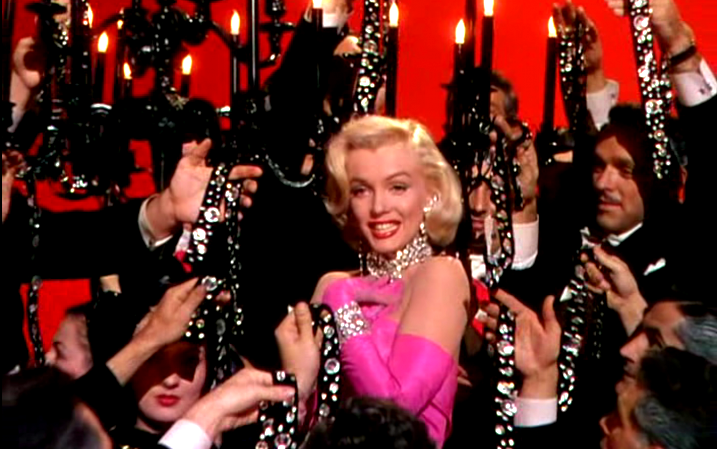
It has long been exemplified through popular culture that we place a disproportionate value on gold and precious gems (see “Diamonds Are a Girl’s Best Friend”), but as consumers, we never seem to ask, how did it come to this? We know that early forms of jewelry had been made with string (textiles), shell and bone (which requires a means to drill a hole), and pigments to color the pieces—all of which offer insight towards how we came to create and value jewelry today. 


Marilyn Monroe from “Diamonds Are a Girl’s Best Friend”. Photo from Anthill.

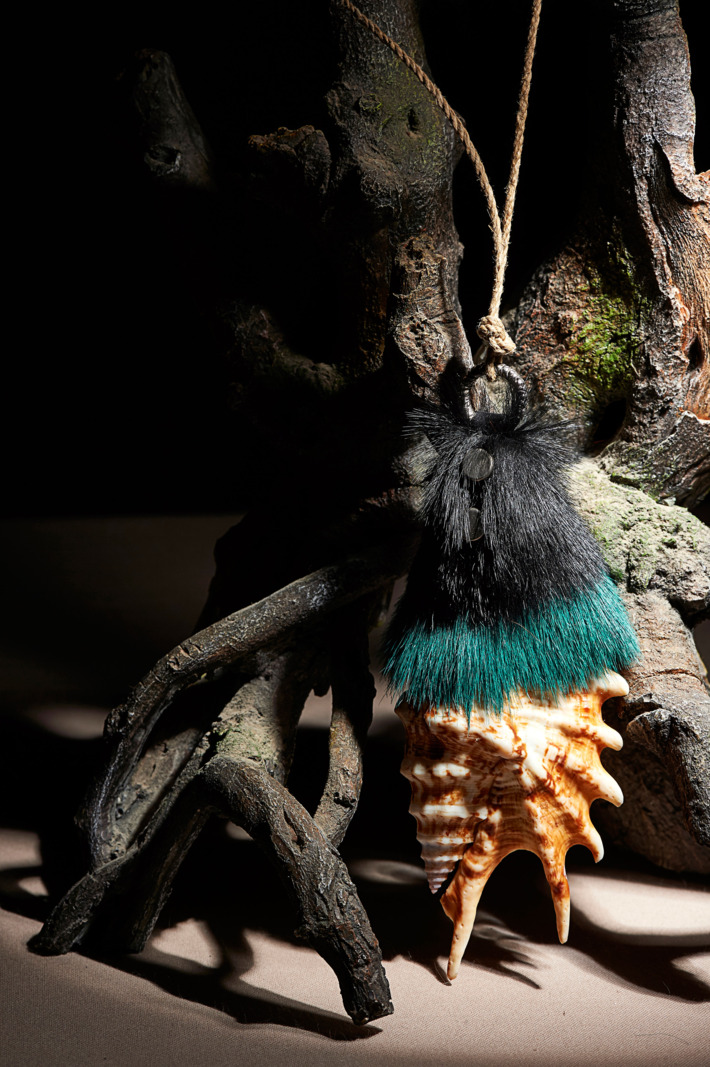
Through the aptly named ages, we learned to mine and smelt various metals, a technology which was used for crafting many useful things, including jewelry. If we fast forward to today, we see that these metals have become inextricable to what we define as fine jewelry, which continues to be given symbolic meanings similar to archaic conceptions. There is no doubt that our early uses of metallurgy in jewelry making have led to how we craft and place meaning on jewelry today (including some very quirky and expensive “revivals” a la Prada).


Photo of Prada talisman jewelry from The Cut.

In my forthcoming posts, I am hoping to shed some light on jewelry and jewelry making mostly through metalsmithing examples, although it will be impossible to single out metal as a sole material, as no technology stands alone! Through this introductory post, I am hoping to have given a glimmer of insight towards how multifaceted jewelry making is, and to underscore that our jewelry of today (those sentimental pieces of which I fondly spoke) has deep roots in prehistory.

*For an interesting article regarding the often poorly documented contexts of jewelry in early archaeology and how that has transferred to museum displays, see “Adornment, Identity, and Authenticity: Ancient Jewelry In and Out of Context” by Megan Cifarelli.